Ignis Salutis Obsequium et Halogen-Free comprobatio pro LSZH Composita pro Communicationis Cables
Home / News / Industria nuntium / Ignis Salutis Obsequium et Halogen-Free comprobatio pro LSZH Composita pro Communicationis Cables


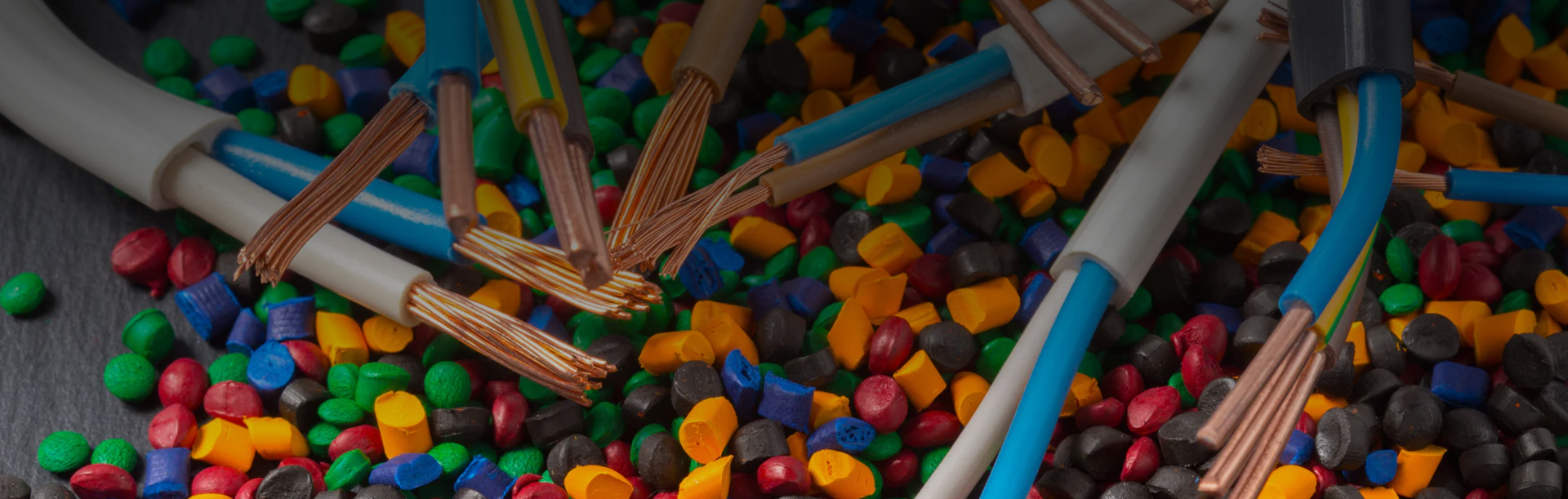
In mercato globali pro reticulis infrastructuris et communicationibus, specificatio ** LSZH Composita pro Communication cables ** Non-negotiabilis est necessitas restricti ignis acti praescriptiones salutis. Usus materiae Minimum Smoke Zero Halogen impedit emissionem fumi densi et mordax, vaporum toxicorum in combustione, vitam humanam et apparatum electronicum sensitivum protegens. Nam cables artifices, comprobantes obsequium, exactorem **Halogen liberorum compositorum rationum probationem requirit et adhaesio ad LSZH subtilem fumi densitatem requisitis specificis. Hangzhou Meilin Nova Technologia Materia Co., Ltd., cum supra XXX annos experientiae et XXXI progressus productio lineas per tres plantas, specialitas in fabricandis qualitatem LSZH componit, praestans obsequium et praestantiam praestandi pro clientibus domesticis et internationalibus.
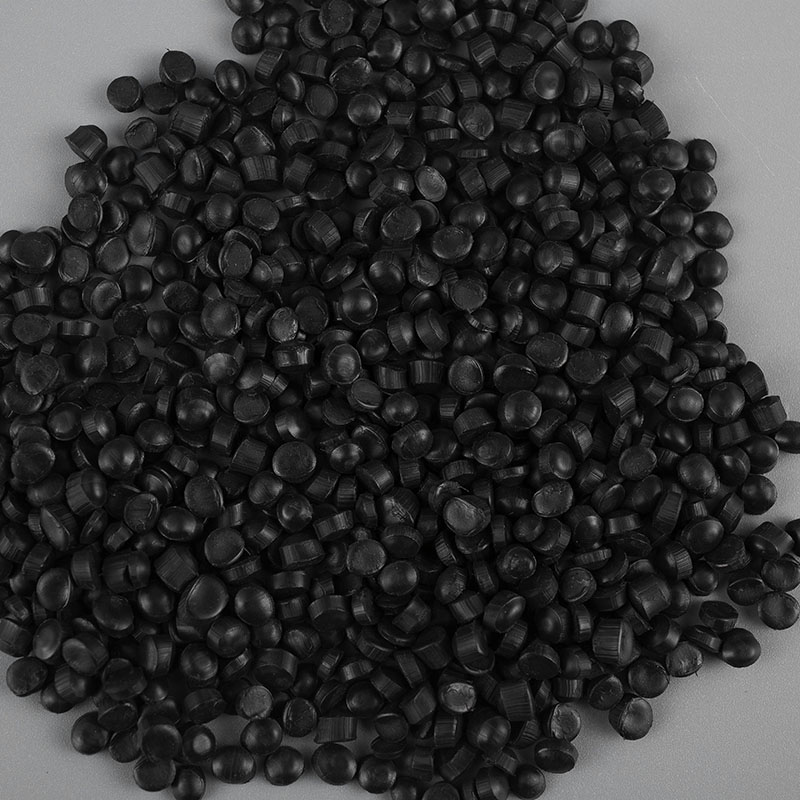
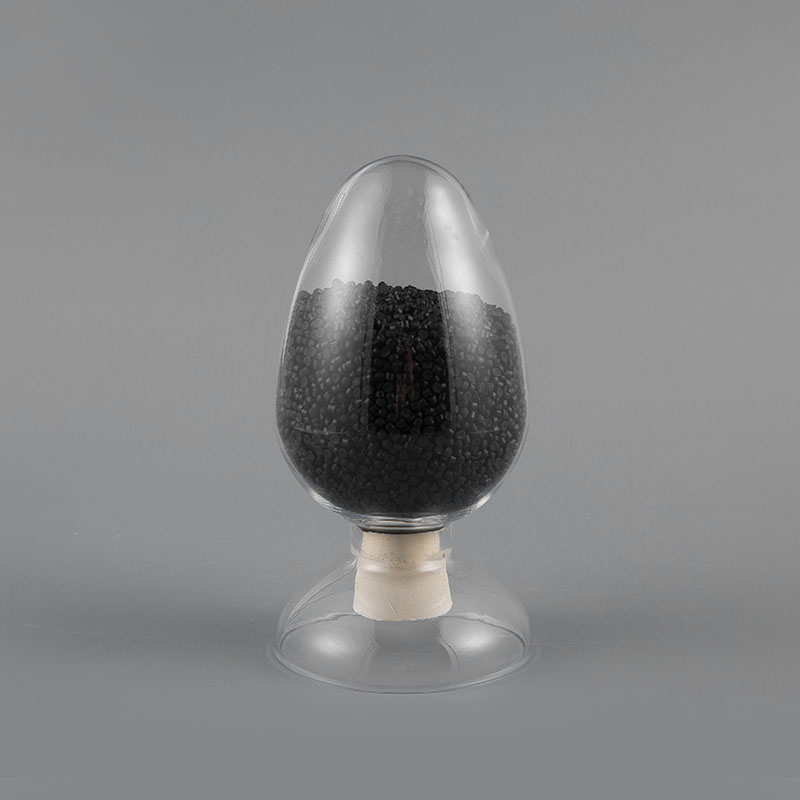
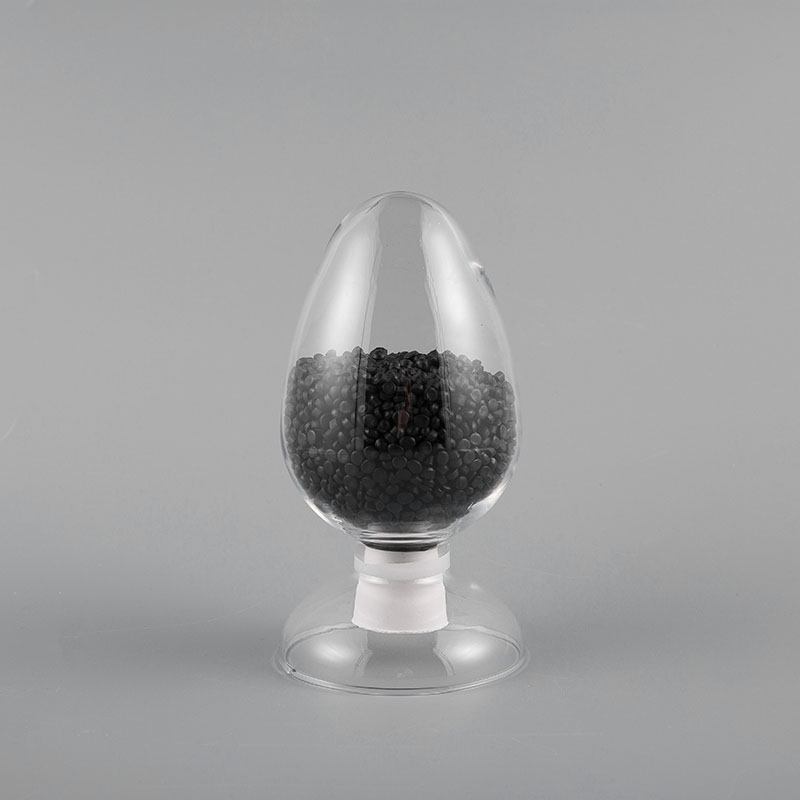
ML- TH9002B2 Thermoplastic LSZH flame- retardat B2ca vaginae materiae gradus
Core principium LSZH est eliminatio valde corrosivae combustionis productorum.
To confirm that a product qualifies as halogen-free, rigorous **Halogen-free compound testing** procedures must be conducted, primarily the IEC 60754 series. This involves burning the material under controlled conditions and measuring the acidity (pH) and conductivity of the resulting combustion gases. The standard mandates that the pH value must be above $4.3$ (indicating low acidity) and the conductivity must be below $10 \mu\text{S}/\text{mm (indicating minimal ionized corrosive content). This ensures the material does not pose a threat to people or cause corrosion damage to nearby infrastructure.
The chemical difference between traditional and modern compounds is vital. Standard materials like PVC rely on chlorine (a halogen) to achieve fire retardancy, but combustion releases highly toxic and corrosive Hydrogen Chloride (HCl) gas. **LSZH Compounds For Communication Cables**, conversely, achieve flame retardancy through large loadings of metal hydroxides (e.g., magnesium hydroxide). When heated, these hydroxides decompose endothermically, releasing water vapor to cool the flame and forming a protective char layer, effectively eliminating acid gas release.
Comparison: Compound Type vs. Acid Gas Emission and Environmental Impact:
| Compound Type | Halogen Content | Acid Gas Release During Fire (Corrosivity) |
|---|---|---|
| PVC (Halogenated) | High | High (Releases HCl) |
| LSZH Composita pro Communication cables | Zero | Negligible (Neutralized by metal hydroxides) |
Beyond acid gas, controlling the spread of fire and maintaining visibility are crucial safety factors.
Verification of flame spread resistance relies on strict **Flammability testing standards** such as IEC 60332. The single cable vertical flame test (IEC 60332-1-2) confirms that the jacket material is self-extinguishing and will not propagate the flame. For large installations, more demanding bundle tests (IEC 60332-3) are required. B2B buyers should also review the Limiting Oxygen Index (LOI) of the compound; a higher LOI value (typically $> 30\%$) indicates a stronger resistance to ignition and combustion.
The primary threat in enclosed fires is smoke inhalation and loss of visibility, which hinders evacuation. The IEC 61034 standard dictates how **LSZH Compounds For Communication Cables** must perform regarding smoke emission. The test measures the percentage of light lost over a specified path length when the cable is combusted. Achieving **LSZH low smoke density** requirements means the material must maintain a high percentage of light transmittance (typically $> 60\%$) throughout the test, a key performance metric for **LSZH materials for data cable** jacketing used in tunnels and subways.
Compound processability is tied directly to manufacturing efficiency and final product quality.
The **Processing characteristics of LSZH** are inherently complex due to the heavy loading of non-polymeric mineral fillers required for fire retardancy. This high filler content affects the compound's viscosity and melt strength. Manufacturers must select compounds specifically optimized for high-speed extrusion lines. Poor **Processing characteristics of LSZH** can lead to extruder surging, material degradation, and surface roughness on the final cable jacket, requiring specialized extrusion equipment and precise temperature control.
When using **LSZH materials for data cable** jacketing (e.g., Cat 6, Cat 7), the compound must meet two sets of demanding criteria: fire safety *and* electrical performance. **LSZH Compounds For Communication Cables** used for high-frequency data transmission must have a stable, low relative permittivity and low dissipation factor to minimize signal attenuation and maintain the necessary bandwidth capacity. Compromising on the electrical properties of the **LSZH materials for data cable** jacketing for the sake of fire performance is unacceptable in modern networks.
Sourcing **LSZH Compounds For Communication Cables** is a critical engineering decision that balances fire safety compliance with manufacturing efficiency. Success depends on selecting materials that have passed stringent **Halogen-free compound testing** procedures, meet demanding **LSZH low smoke density** requirements, and exhibit excellent **Processing characteristics of LSZH**. Hangzhou Meilin New Material Technology Co., Ltd. leverages its technological expertise, advanced production lines, and commitment to R&D to provide high-quality **LSZH materials for data cable** jacketing and other specialized compounds that consistently meet global **Flammability testing standards** and performance expectations.

N. 259 Xingyu Street, Lin'an District, Hangzhou urbs, Zhejiang Provincia

+86-0571-63763088


CONTACT US Creative project? Lets sermonem producere.
Copyright © Hangzhou Meilin Nova Materia Technologia Co., Ltd. All Rights Reserved. Custom Electrical Wire And Cable Materials Manufacturers